
REPUBLIC OF MOZAMBIQUE
General Information
Mozambique is a country located on the eastern coast of Southern Africa. It shares borders with Tanzania, Malawi, Zambia, Zimbabwe, South Africa, Eswatini, and the Indian Ocean along the Mozambique Channel, which stretches approximately 2,770 km (1,721 miles). The country is divided into 11 provinces (Map 1), and its capital city is Maputo. Formerly a Portuguese colony, Mozambique gained its independence in 1975, and its current national flag was officially adopted in 1983 (Figure 1). Portuguese is the official language, while English is widely spoken, particularly in major cities. The national currency is the Mozambican Metical (MZN), although major foreign currencies can be exchanged at commercial banks and licensed exchange bureaus. The country's population is estimated at approximately 34.4 million people, with nearly two-thirds living in rural areas.


Climate of Mozambique
Mozambique experiences a range of warm tropical and subtropical climates. The country has two main seasons: the hot, rainy season from October through March and the cool, dry season from April through September. Rainfall varies significantly by region, with the northern provinces receiving between 1,000 and 1,800 mm annually, while southern regions receive approximately 400 to 1,000 mm per year.
Over the past four decades, rainfall has declined while the frequency and severity of droughts have increased significantly.
The increasing occurrence of severe floods and prolonged droughts is mainly associated with highly variable rainfall patterns, tropical cyclones, and the El Niño/La Niña phenomena. Studies indicate that by 2075, global climate change may reduce annual rainfall by approximately 5–10% while increasing evaporation rates by 9–13%. Climatic conditions also vary considerably according to altitude.

History of Hunting in Mozambique
Mozambique's earliest inhabitants were the Bushmen (San people), renowned as hunters and gatherers. Owing to its strategic location along the Indian Ocean coastline, Mozambique has long attracted Asian, Arab, and European traders engaged in the trade of gold, ivory, slaves, oilseeds, seafood, and other valuable commodities.
16th–18th Century
In the early 16th century, Portuguese explorers, attracted by the wealth of the Monomotapa Empire, traded ivory throughout Mozambique between the Zambezi and Limpopo Rivers. During the 17th and 18th centuries, large numbers of elephants were hunted primarily for ivory trophies destined for markets in Asia and Europe.
19th–20th Century
The first European explorers arrived during this period, hunting primarily to supply food for their expeditions, collect scientific specimens for museums in Europe and America, or simply for sport. Among the most notable explorers were David Livingstone, Wilhelm Peters, Edouard Foa, and Werner von Alvensleben.
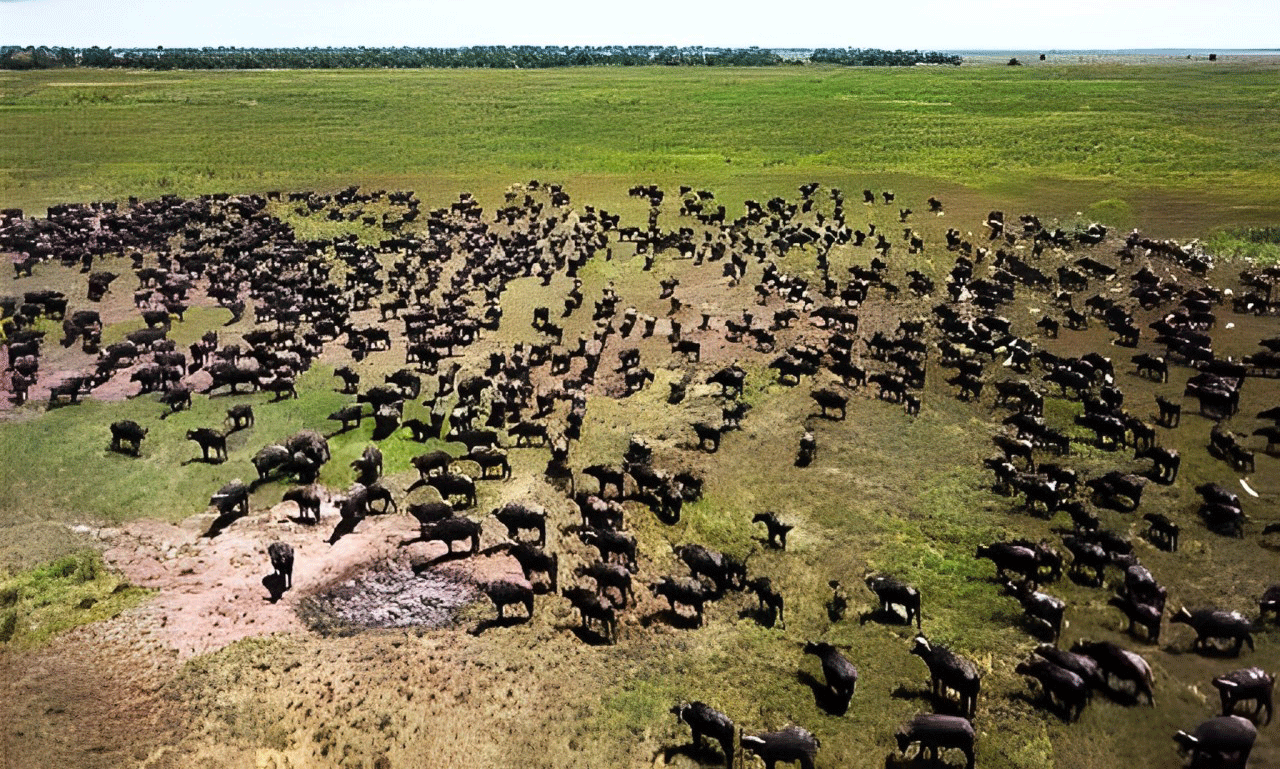
Between 1940 and 1960, the present-day Marromeu Complex (Marromeu Buffalo Reserve and the adjoining Hunting Blocks 10, 11, 12, and 14) operated as a true meat production center. Each year, approximately 13 professional hunters received licenses with individual quotas of 200 buffalo, 35 elephants, and several hippopotamuses. Nearly 1,000 tons of meat were processed annually, dried, and supplied to workers at the Sena Sugar Estates in Marromeu and Luabo, as well as to the large coconut and tea plantations of Zambézia Province and the sawmills of Chiringoma.
Examples of wildlife species that were heavily hunted during this period included:
At the beginning of the 1960s, commercial hunting was prohibited, largely due to growing concerns about its environmental impact and increasing awareness of the importance of wildlife conservation and sustainable resource management. During this decade, most of Mozambique's present-day protected areas—including national parks, game reserves, and hunting concessions—were officially established.
With the creation of these hunting concessions, commercial hunters transitioned to safari and trophy hunting, while management of the concessions was transferred to the private sector.
For improved wildlife management, Hunting Blocks 1, 5, 6, 7, 9, 10, 12, 13, and 15 were managed by Safrique (Mozambique Safari Company) and Safarilândia. Safrique became internationally recognized as one of the country's leading safari operators due to the exceptional quality of its hunting areas, outstanding trophies, and highly professional staff.
However, only two years after independence, Mozambique entered a prolonged civil war that lasted until 1992. During this conflict, much of the country's wildlife populations were devastated as wild animals became an essential food source for military forces and displaced civilians.
Following the end of the civil war in 1992, Mozambique began rebuilding its conservation sector. Since then, with support from international partners, the private sector, and non-governmental organizations (NGOs), the Mozambican Government has invested heavily in restoring infrastructure, rehabilitating habitats, reintroducing wildlife, and rebuilding healthy populations of native game species.

Hunting Season in Mozambique
The official hunting season begins on April 1 and ends on November 30. According to Article 12(3) of Decree No. 82/2017 of December 19 governing sport hunting, the annual closed season extends from December 1 through March 31, during which hunting activities are prohibited.
Types of Hunting
Hunting in Mozambique provides significant incentives for the conservation of vast ecosystems and wildlife habitats. It also generates income, employment, and community development opportunities in remote rural areas where few alternative economic activities exist. Responsible hunting supports effective wildlife management while helping reduce illegal and destructive activities such as poaching, illegal logging, illegal mining, and habitat destruction. Safari operators have played a vital role in increasing wildlife populations through continuous investment in conservation, anti-poaching efforts, and professional management of hunting areas.
Wildlife utilization in Mozambique is legally classified into four categories:
- Sport Hunting
- Commercial Hunting
- Subsistence Hunting
- Community Hunting
Hunting Areas
- Official Hunting Blocks (Official Coutadas)
- Niassa Hunting Blocks
- Community Wildlife Management Areas
- Game Ranches
Mozambique's hunting areas cover more than 14% of the country's total land area.
Firearms and Ammunition
Valid firearm and ammunition import permits are required before any hunter arrives in Mozambique. To avoid delays or inconvenience, hunters are advised to begin the import application process at least 90 days before their safari. Each hunter may import a maximum of three firearms and up to 100 rounds of ammunition for each firearm.
Automatic firearms, semi-automatic firearms, and military weapons are strictly prohibited.
Hunters who prefer not to travel with their own rifles should contact their safari operator, who can usually arrange suitable rental firearms.
Game Species in Mozambique
In principle, hunting is permitted for most wild animal species that naturally occur or migrate through Mozambique, except those protected by law, as well as juveniles, pregnant females, and females accompanied by dependent young.
Game animals are classified into Small Game, including birds (except ostriches), small antelope, pigs, reptiles, rodents, and carnivores (excluding crocodiles, lions, leopards, hyenas, African wild dogs, and cheetahs), and Big Game, which includes all species not classified as small game. The type of hunting license issued determines which species may legally be hunted.
Below are the principal game species found in Mozambique:
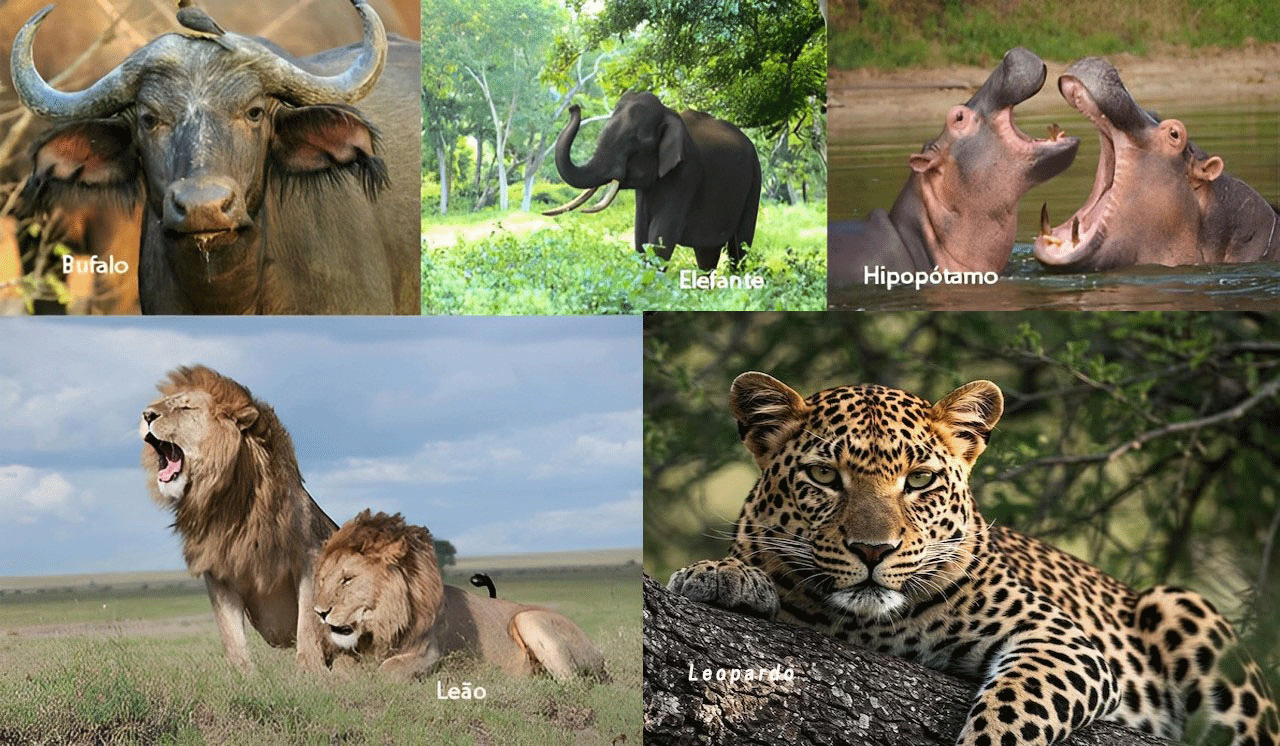
The Big Five: Buffalo (Syncerus caffer), Elephant (Loxodonta africana), Hippopotamus (Hippopotamus amphibius), Lion (Panthera leo), Leopard (Panthera pardus).
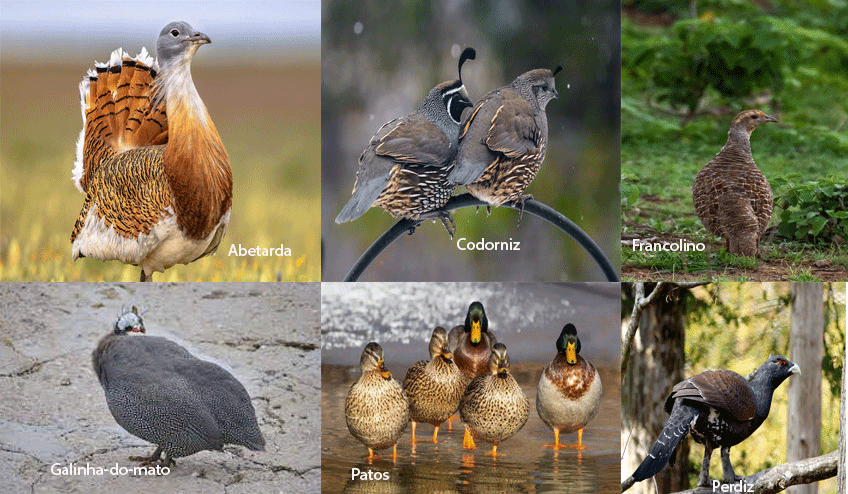
Bird Species: Bustard (Otis tarda), Quail (Coturnix coturnix), Francolin (Francolinus francolinus), Helmeted Guineafowl (Numida meleagris), Ducks (Anas platyrhynchos), Pigeon (Columba livia), Partridge (Rhynchotus rufescens), Turtle Dove (Streptopelia turtur).
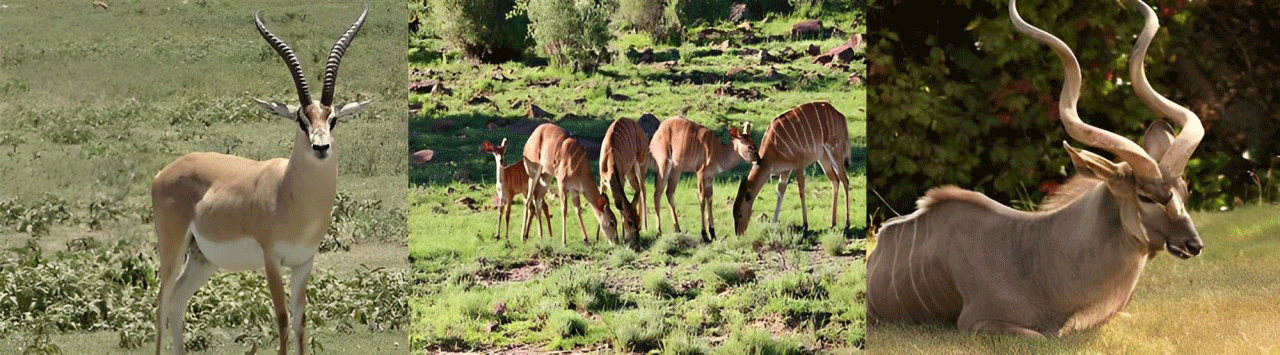
Other Species: Blue Duiker (Cephalophus monticola), Common Duiker (Sylvicapra grimmia), Suni (Neotragus moschatus), Red Duiker (Cephalophus natalensis), Southern Reedbuck (Redunca arundinum), Steenbok (Raphicerus campestris), Sharpe's Grysbok (Raphicerus sharpei), Blue Wildebeest (Connochaetes taurinus), Nile Crocodile (Crocodylus niloticus), Greater Kudu (Tragelaphus strepsiceros), Livingstone's Eland (Taurotragus oryx livingstonei), Warthog (Phacochoerus africanus), Bushbuck (Tragelaphus scriptus), Impala (Aepyceros melampus), Waterbuck (Kobus ellipsiprymnus), Nyala (Tragelaphus angasii), Yellow Baboon (Papio cynocephalus), Baboon (Papio cynocephalus sp.), Spring Hare (Pedetes capensis), Oribi (Ourebia ourebi), Sable Antelope (Hippotragus niger), Bushpig (Potamochoerus larvatus), Cape Porcupine (Hystrix africaeaustralis), Plains Zebra (Equus burchellii).
NOTE: Hunters are strongly advised to obtain the official annual hunting quota before planning their safari. This document specifies the species legally available for hunting during the current hunting season as well as the areas where each species may be hunted.
Landscape and Habitats
Mozambique is one of Africa's richest countries in terms of biodiversity. From the coastal plains to the inland plateaus, the landscape changes dramatically—from narrow palm-lined beaches along the Indian Ocean to vast expanses of open savanna.
Approximately 65 million hectares are covered by forests of varying densities. Open woodland is the country's dominant vegetation type, particularly Miombo woodland, which covers much of Niassa, Cabo Delgado, Nampula, Zambézia, Sofala, Manica, and Inhambane Provinces, as well as Mopane woodland, found throughout the Limpopo-Save region and the middle Zambezi Valley.
The country's landscapes are dominated by savannas containing a remarkable diversity of drought-resistant vegetation. In wetter regions, tropical forests support an extraordinary variety of plant and animal species, many of which are endemic. Along the coastline, extensive mangrove forests play a vital role in protecting coastal ecosystems and preventing shoreline erosion.
Mozambique supports an impressive diversity of large mammals, although relatively few are endemic. Wildlife populations declined dramatically during the Civil War (1981–1992) due to uncontrolled hunting and habitat destruction.
Today, Mozambique offers one of Africa's most rewarding nature experiences, providing exceptional opportunities to discover and appreciate its remarkable flora, fauna, and unspoiled wilderness.
History of Hunting in Mozambique
The first inhabitants of Mozambique were the Bushmen, known as hunters and gatherers. Due to its geographical location, occupying almost the entire coastline of the Indian Ocean, Mozambique has always been one of the preferred destinations for Asians, Arabs, and Europeans for the trade of gold, ivory, slaves, oilseeds, seafood, among other goods.
16th - 18th Century
At the beginning of the 16th century, the Portuguese, attracted by the gold of the Monomotapa Empire, traded ivory in Mozambique between the Zambezi and Limpopo rivers. Between the 17th and 18th centuries, a large number of elephants were hunted for trophy extraction and commercial purposes, especially for markets in Asia and Europe.
19th - 20th Century
The first European explorers arrived and hunted either to provide food for their expeditions, to collect specimens for scientific studies and museums in America and Europe, or for sporting purposes. Among them were David Livingstone, Wilhelm Peters, Edouard Foa, and Werner von Alvensleben.
Between 1940 and 1960, the present-day Marromeu complex (Marromeu Buffalo Reserve and the adjacent Hunting Areas numbers 10, 11, 12, and 14) operated as a true meat production centre. Every year, around 13 professional hunters were licensed to operate, with an annual individual quota of 200 buffaloes, 35 elephants, and several hippopotamuses.
Approximately 1,000 tonnes of meat were produced annually, which were later dried and used to supply workers of the Sena Sugar Estates in Marromeu and Luabo, as well as large coconut and tea plantations in Zambézia and sawmills in Chiringoma.
Examples of some wildlife species that were heavily hunted during this period:
At the beginning of the 1960s, commercial hunting was prohibited, probably due to concerns about the negative impacts of this activity and the growing awareness of the importance of wildlife conservation and sustainable use.
It was during this decade that most of Mozambique's current conservation areas (national parks, reserves, and hunting areas) were established.
With the creation of hunting areas, commercial hunters were redirected towards sport and tourist hunting, and the management concessions were granted to the private sector.
For better wildlife management, hunting areas 1, 5, 6, 7, 9, 10, 12, 13, and 15 were managed by Safrique (Mozambique Safari Society) and Safarilândia.
Safrique was considered one of the most qualified companies due to the excellent hunting areas under its management, the high quality of trophies, and the professionalism of its team.
However, two years after independence, Mozambique entered an intense and prolonged civil war that ended in 1992. During this period, most wildlife populations in the country were severely depleted, as animals were used to feed combat forces and displaced populations.
Only after the end of the war in 1992 did the country begin recovering from the many challenges it faced. Since then, the Mozambican Government, with support from cooperation partners, the private sector, and NGOs, has invested in the rehabilitation of infrastructure, habitats, wildlife restocking, and recovery of species and populations.
Hunting Season in Mozambique
The hunting season begins on April 1st and ends on November 30th. According to the Sport Hunting Regulation, Article 12, paragraph 3 of Decree No. 82/2017 of December 19th, the general closed season runs from December 1st to March 31st.
Types of Hunting
Hunting in Mozambique creates incentives for the conservation of ecosystems and natural habitats. It also provides income, employment, and community development opportunities in remote and impoverished areas where few other economic activities exist.
Responsible hunting contributes to wildlife management and helps reduce illegal and harmful activities such as poaching, illegal logging, illegal mining, and habitat destruction.
It is important to highlight that hunting operators contribute to the growth of wildlife populations through their continuous efforts in the protection and effective management of these areas.
Wildlife exploitation in Mozambique is divided into four main categories:
- Sport Hunting
- Commercial Hunting
- Subsistence Hunting
- Community Hunting
Hunting Areas
- Official Hunting Blocks, known as Official Hunting Areas
- Niassa Hunting Blocks
- Community Wildlife Management Areas
- Wildlife Farms
The hunting zone network covers more than 14% of the national territory.
Firearms and Ammunition
Valid import authorizations for firearms and ammunition are required before any hunter arrives in Mozambique. To avoid any inconvenience, it is recommended that the importation process begins 90 days before the safari.
Each hunter is allowed to bring a maximum of three firearms, with a limit of 100 rounds of ammunition per firearm.
Automatic firearms, semi-automatic firearms, or military-use weapons are not permitted.
If a hunter does not wish to bring his own rifle for the safari, he may contact the safari operator for assistance.
Hunting Species in Mozambique
In principle, hunting is permitted for all wildlife species that inhabit or move through the national territory, except those protected by law, young animals, juveniles, pregnant females, or females accompanied by offspring.
Animals are classified into two main groups:
Small Game: birds (except ostrich), small antelopes, pigs, reptiles, rodents, and carnivores (except crocodile, lion, leopard, hyena, wild dog, and cheetah).
Big Game: all animals not included under small game. The hunting license type determines which species may actually be hunted.
The main game species are presented below:
The Big Five Species: Buffalo (Syncerus caffer), Elephant (Loxodonta africana), Hippopotamus (Hippopotamus amphibius), Lion (Panthera leo), Leopard (Panthera pardus).
Birds: Great Bustard (Otis tarda), Quail (Coturnix coturnix), Francolin (Francolinus francolinus), Helmeted Guineafowl (Numida meleagris), Ducks (Anas platyrhynchos), Pigeon (Columba livia), Partridge (Rhynchotus rufescens), Turtle Dove (Streptopelia turtur).
Other Species: Blue Duiker (Cephalophus monticola), Grey Duiker (Sylvicapra grimmia), Suni Antelope (Neotragus moschatus), Red Duiker (Cephalophus natalensis), Southern Reedbuck (Redunca arundinum), Cape Grysbok (Raphicerus campestris), Sharpe's Grysbok (Raphicerus sharpei), Blue Wildebeest (Connochaetes taurinus), Nile Crocodile (Crocodylus niloticus), Greater Kudu (Tragelaphus strepsiceros), Livingstone's Eland (Taurotragus oryx livingstonei), Warthog (Phacochoerus africanus), Chobe Bushbuck (Tragelaphus ornatus), Lichtenstein's Hartebeest (Alcelaphus buselaphus lichtensteinii), Spotted Hyena (Crocuta crocuta), Bushbuck (Tragelaphus scriptus), Impala (Aepyceros melampus), Waterbuck (Kobus ellipsiprymnus), Nyala (Tragelaphus angasii), Yellow Baboon (Papio cynocephalus), Cape Hare (Pedetes capensis), Oribi (Ourebia ourebi), Sable Antelope (Hippotragus niger), Bushpig (Potamochoerus larvatus), Porcupine (Hystrix africaeaustralis), Zebra (Equus burchelli).
NOTE: It is extremely important to obtain access to the hunting quota in order to know the authorized species for the hunting season and the specific locations where they may be hunted.
Landscape and Habitats
Mozambique is an incredibly biodiversity-rich country. From the coastal plains to the inland regions, the landscape changes dramatically from a narrow strip of palm-lined beaches along the coast to extensive areas of savanna.
Approximately 65 million hectares are covered by forests of different densities. Open forest is the most widespread vegetation type, including miombo woodland (covering most of Niassa, Cabo Delgado, Nampula, Zambézia, Sofala, Manica, and Inhambane provinces) and mopane woodland (located in the Limpopo-Save region and the middle section of the Zambezi River valley).
The landscapes are dominated by savannas, with a wide variety of drought-resistant plants. In wetter areas, tropical forests support a great diversity of species, many of which are endemic. Coastal areas are home to vital mangrove forests, which play an extremely important role in protecting the coastline.
The diversity of large mammals is very high, although few species are endemic. However, many populations were drastically reduced as a result of uncontrolled wildlife exploitation during the Civil War (1981-1992).
Mozambique is a unique and incredible destination for nature lovers, offering fascinating opportunities to experience and appreciate the beauty and diversity of its flora and fauna.
Flora and Fauna
Mozambique has a great diversity of flora and fauna due to its size and location along the coastline. The country possesses unique terrestrial, marine, and aquatic biodiversity within Southern Africa and globally.
The country includes approximately 14 ecological regions, which together support an estimated biodiversity of more than 6,000 plant species and 4,000 animal species, including approximately 220 terrestrial mammals, 690 bird species, 167 reptiles, 79 amphibians, 5 turtle species, 18 marine mammals, 2,626 fish species, 1,363 mollusc species, and 194 coral species.
The flora consists of a fascinating mixture of ecosystems, including savannas, tropical forests, mangroves, and coastal regions. Coastal vegetation is adapted to survive under saline conditions and water stress, with species such as coconut palms and mango trees forming beautiful natural landscapes.
The fauna is equally fascinating, with numerous species inhabiting different ecosystems. The famous "Big Five" — buffalo, elephant, lion, leopard, and rhinoceros — can be observed in several conservation areas across the country.
Mozambique is also a paradise for birdwatching, with a great diversity of species found in forests, savannas, and wetlands.
The conservation of Mozambique's flora and fauna is extremely important for protecting the country's rich biodiversity and supporting local communities that depend on these natural resources.
.png)
Travel Information
Health and Travel Insurance
Mozambique is a malaria-endemic country, therefore it is recommended to consult a doctor before and after the safari.
Hunting safaris can involve potential risks, and it is the client's responsibility to arrange medical, evacuation, and personal insurance coverage.
International and Domestic Flights
Several international and regional airlines operate direct flights to Mozambique. Maputo, the country's capital, is located in the south and has daily connections to all provincial capitals.
The selected tour and safari operator can advise on the most convenient and efficient way to reach the hunting safari destination.
Entry Requirements and Visa
To travel to Mozambique, visitors must have a passport valid for at least six months. Some nationalities do not require a visa for tourism or business stays of up to 30 days; in many cases, this stay may be extended for an additional 30 days.
For countries whose citizens require a visa, it can be obtained through a Mozambican Embassy or Consulate in the hunter's country of residence or at the border entry point. To avoid inconvenience, it is recommended to apply for the visa 60 days before the safari.
We recommend accessing Mozambique's official E-Visa portal before travelling for more information about visa types: https://evisa.gov.mz/
Other Attractions
Mozambique is famous for its classic African safaris and for producing exceptional trophies from almost all game species. It is considered one of the leading tourist destinations in Southern Africa, known for its pristine and vast natural areas, abundant and diverse wildlife, tropical beaches, cosmopolitan cities, rich cultural diversity, and friendly people.
Tropical Beaches
Mozambique has a coastline of 2,770 km, featuring extensive beaches in a pristine and unexplored state. For a truly unforgettable bush and beach experience, before or after your hunting safari, immerse yourself in the warm blue waters of the Indian Ocean and discover the spectacular and fascinating marine life that Mozambique has to offer.
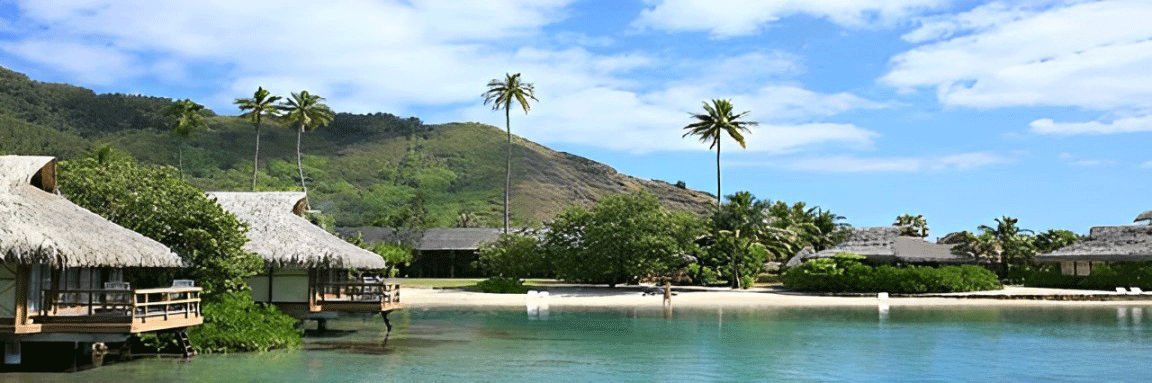
Lake Niassa
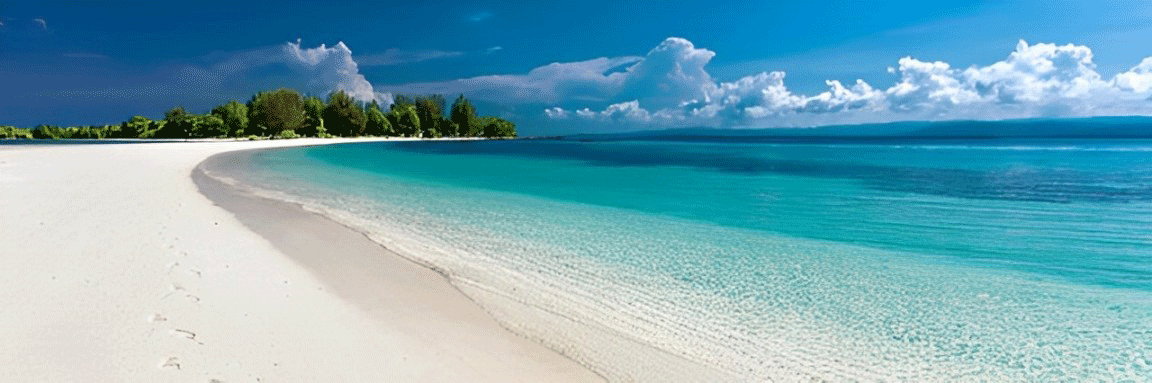
Inhambane Beach
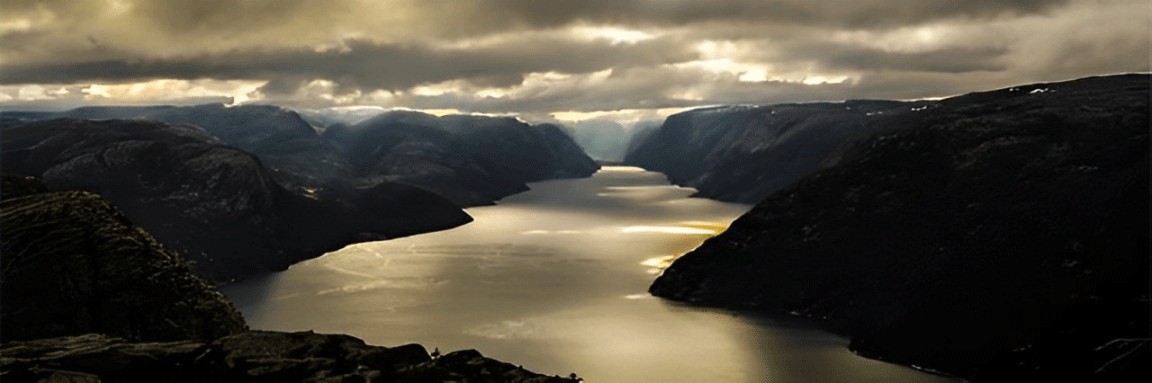
Zambeze River
Sport Fishing
Fishing is the activity of searching for and/or capturing aquatic species, including the collection of shells for ornamental or other purposes. It includes any operation related to, or preparation for, the capture of aquatic species, including the installation or collection of devices used to attract them.
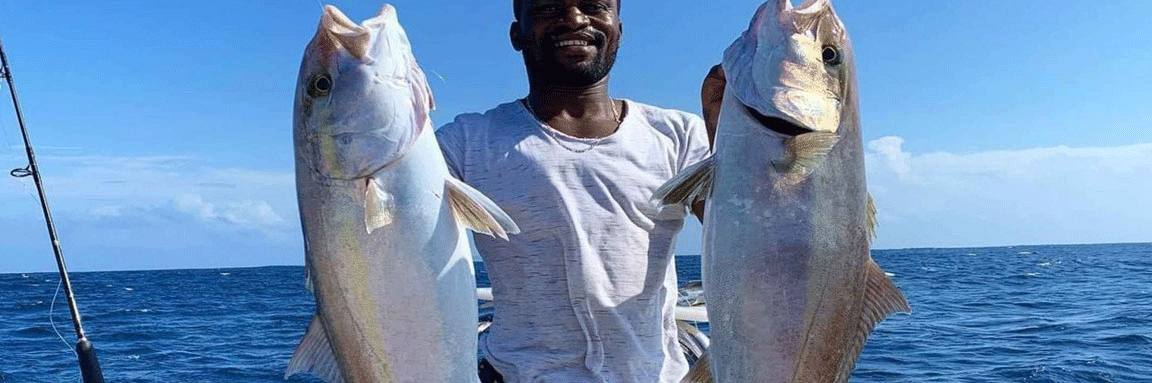
Among the different types of fishing practiced in Mozambique, sport fishing is particularly important. It is carried out by amateur fishermen with the appropriate license, either for sport competitions according to international rules and regulations established by competition organizers, or for obtaining sporting records and trophies (target species defined under competition regulations), including training and learning activities.
This type of fishing has traditionally been one of the major tourist attractions along the Mozambican coastline, especially in the southern region, where three main types are practiced: boat fishing, underwater fishing, and shore fishing.

Culture and Gastronomy
Mozambican culture is essentially African, with a strong influence from Bantu traditions. In urban areas, there is a clear Portuguese cultural influence dating back to the 16th century. Traditional art is highly recognized, especially Makonde wood carvings and masks.
Mozambican cuisine is rich and represents a delicious fusion of African, Eastern, and European influences.
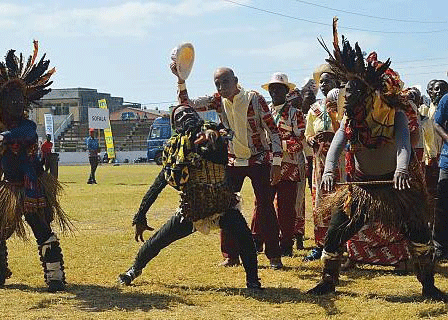
Our Culture
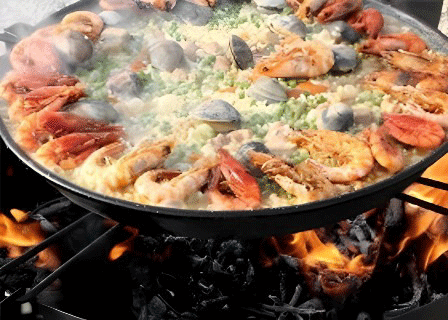
Our Gastronomy
FREQUENTLY ASKED QUESTIONS
Yes. Hunting is legal in the country and regulated by the government. Mozambique has a well-established hunting industry that offers several opportunities for both local and international hunters.
The best hunting period varies depending on the species being hunted. However, the official hunting season runs from April 1st to November 30th. Hunters should consult operators or government authorities to confirm hunting seasons and possible restrictions.
Yes. The Government and private entities focus on maintaining the safety of nationals and foreign visitors. Transportation is provided by reliable and reputable companies. However, visitors should always remain attentive to their personal belongings to avoid losses or theft.
Visitors should have health insurance for medical emergencies and take precautions regarding malaria, which is an endemic disease. Travel insurance is recommended to provide coverage against unexpected situations such as trip cancellation, lost luggage, emergency money transfers, among others.
Comfortable clothing is recommended. Depending on the season, visitors should bring suitable clothing for cold or warm weather. The ideal safari colours are natural tones such as khaki, green, and brown, as they blend with the environment and reduce disturbance to wildlife. Bright colours, such as white, and shiny clothing should be avoided.