General Information about Mozambique
Mozambique is a country on the eastern coast of Southern Africa. It shares borders with Tanzania, Malawi, Zambia, Zimbabwe, South Africa, Eswatini, and the Indian Ocean along the Mozambique Channel, with a coastline of approximately 2,770 km.
The country is divided into 11 provinces, and its capital is the City of Maputo.

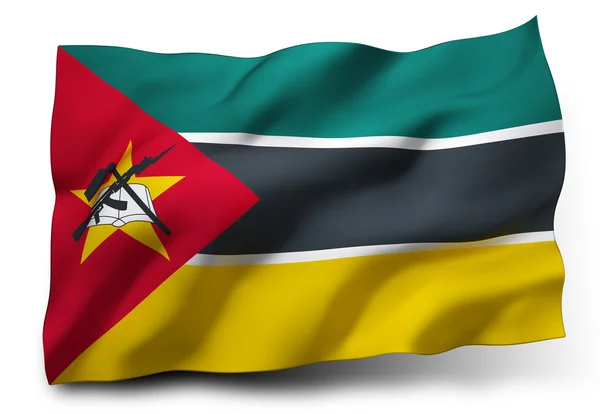
Mozambique was colonised by the Portuguese and gained independence in 1975. Its national flag was adopted in 1983.
Portuguese is the official language; however, most people speak local Bantu languages. English is widely spoken, especially in major cities.
The estimated resident population is 34.958.973 people.
Climate
Flora and Fauna
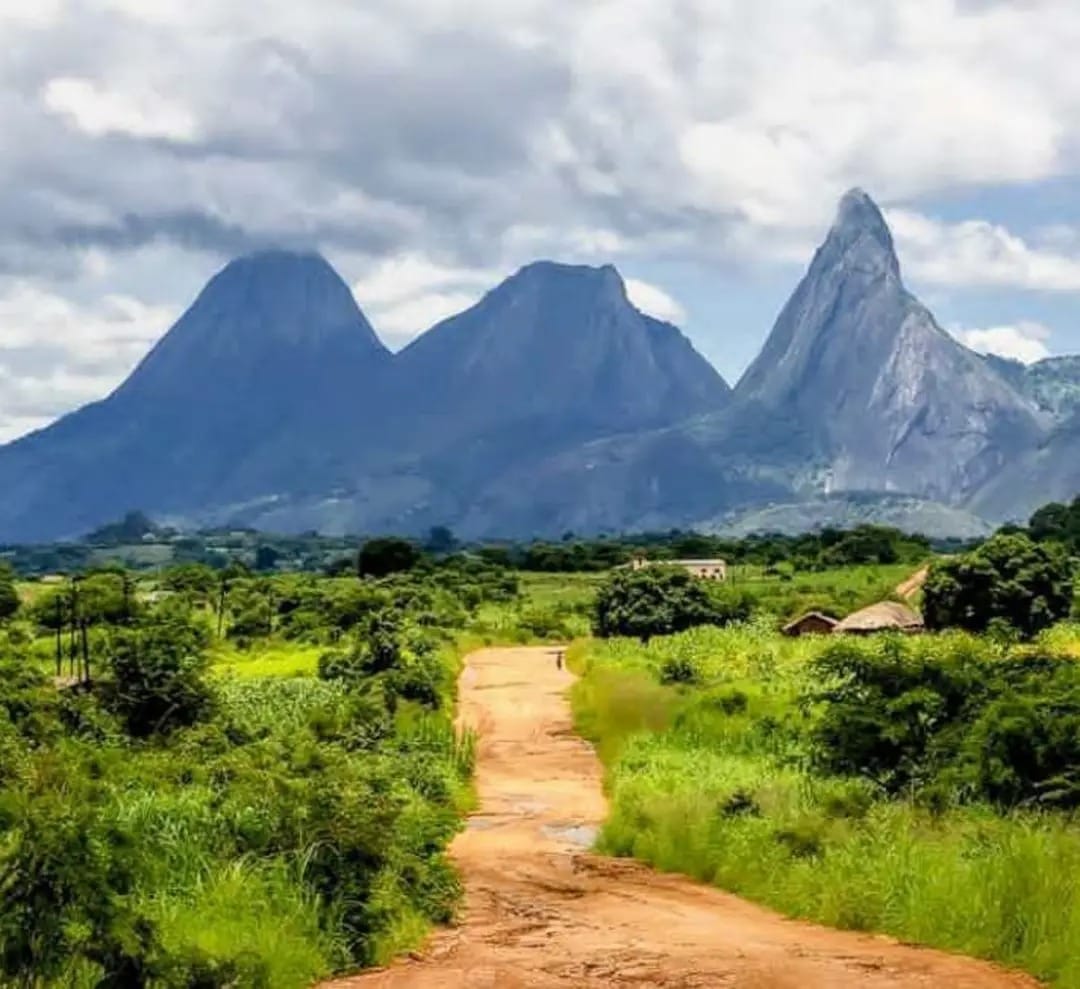
Mozambique has a rich diversity of flora and fauna due to its location and the variety of its biophysical and climatic conditions, which support terrestrial, marine and aquatic ecosystems.
The country has approximately 14 ecological regions, which are home to thousands of plant and animal species, including mammals, birds, reptiles, amphibians, fish, molluscs and corals.
Mozambique’s flora includes diverse ecosystems, such as savannahs, forests, mangroves and coastal areas, each with characteristics adapted to the environmental conditions of each region.
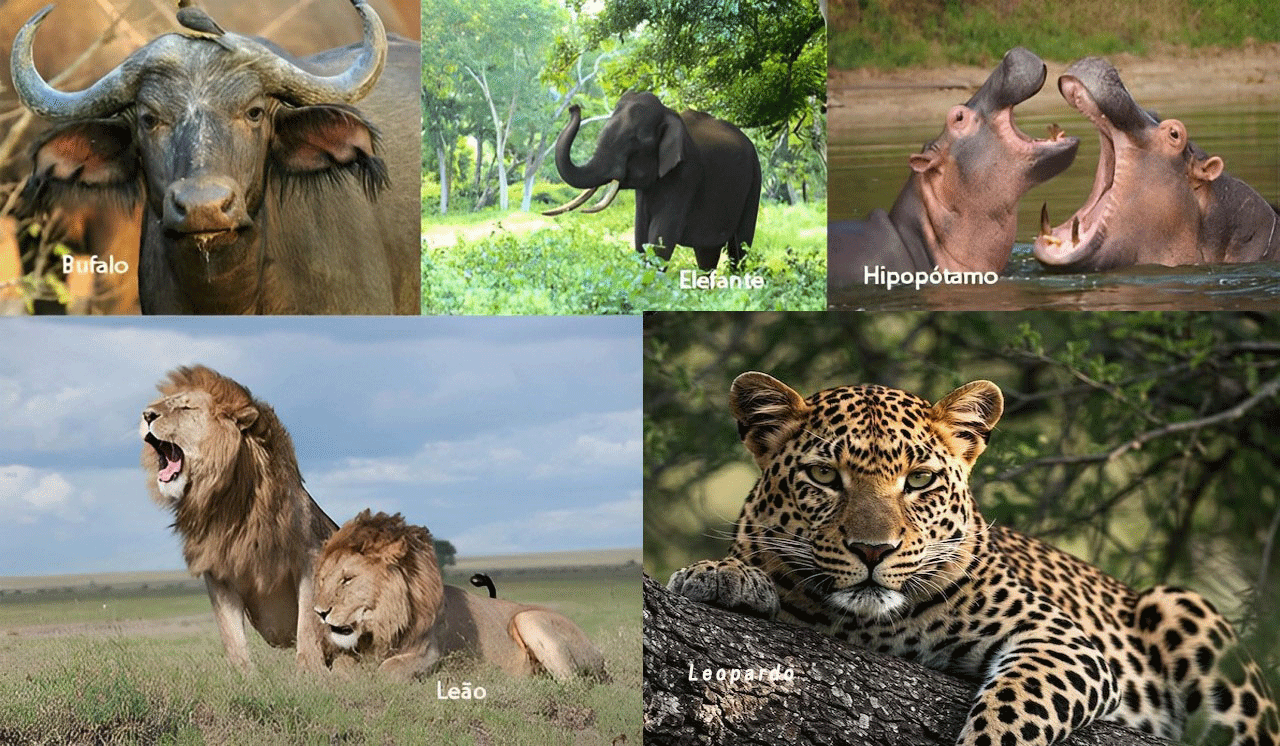
The fauna is equally diverse and includes iconic species such as elephants, buffaloes, lions, leopards and rhinoceroses, as well as a wide variety of birds and other wildlife species.
Mozambique has significant tourism assets, including conservation areas, beaches, wildlife and cultural heritage, which enhance the safari experience (MITUR, 2015).